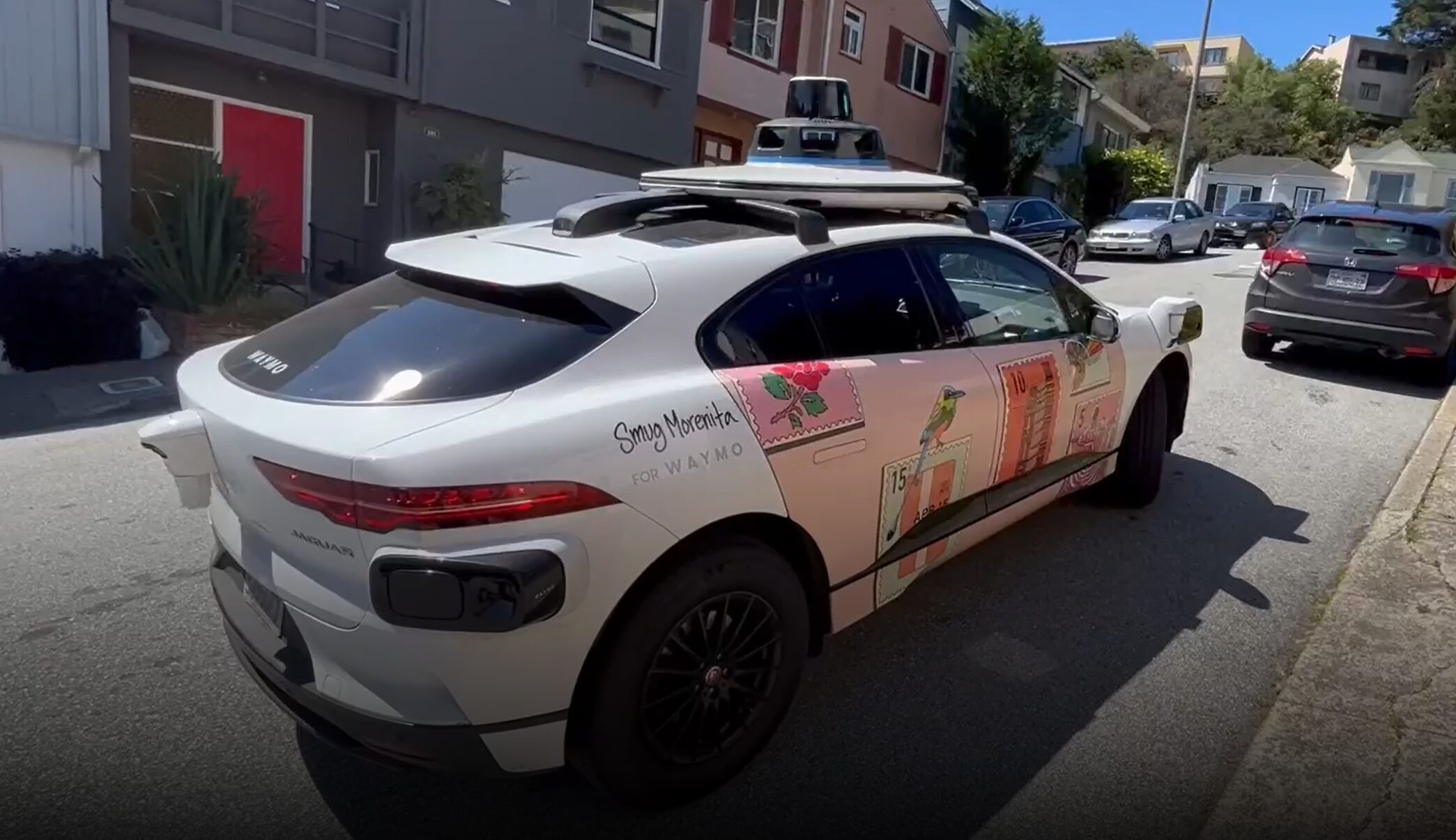
If you’ve been in San Francisco, Mountain View, or San Jose lately, you may have seen a sleek white Jaguar I-PACE cruising by with a spinning sensor dome on top — and no one in the driver’s seat. That’s not science fiction. It’s Waymo, Alphabet’s self-driving car company, quietly shaping the future of transportation right here in the Bay Area.
A Glimpse into Tomorrow’s Roads
Waymo began as Google’s self-driving car project in 2009, and over the years, it has evolved into one of the most advanced autonomous driving programs in the world. The Bay Area has played a major role in that journey — both as a testing ground and as a community learning to share the road with robots.
Today, Waymo operates a growing Waymo One ride-hailing service across parts of San Francisco and the Peninsula. Riders can request a fully driverless ride through the Waymo app, similar to calling an Uber or Lyft — except there’s no human driver involved.
How It Works
Waymo vehicles use a combination of lidar, radar, cameras, and AI algorithms to navigate complex city environments. They can detect pedestrians, cyclists, double-parked cars, and unpredictable traffic patterns — all while following the rules of the road with robotic precision.
The company gathers millions of miles of driving data every month to continuously refine its self-driving system. Each car learns not only from its own experiences but also from every other Waymo vehicle on the road.
Local Impact and Growing Pains
The Bay Area is both the perfect and the toughest place for self-driving cars. Its dense urban streets, unpredictable human behavior, and steep hills challenge even the most advanced AI.
Some residents love Waymo’s presence, calling it a glimpse of a safer and more sustainable future. Others express concern over safety incidents, blocked intersections, or the loss of driving jobs. City officials have also raised questions about how to regulate and integrate autonomous fleets into existing transportation systems.
Still, the number of Waymo cars on Bay Area roads continues to grow — and so does public curiosity.
Waymo’s Expansion in the Bay Area
Waymo isn’t stopping with San Francisco and Mountain View. In 2025, the company began a large-scale expansion across the broader Bay Area, backed by new regulatory approvals from the California Public Utilities Commission (CPUC).
Here’s a look at where Waymo is headed next:
Cities and Regions Expanding Soon
-
San Jose – Waymo has received approval to operate fully driverless rides in nearly all of San Jose, though it has not yet fully launched public service there.
-
San Mateo County – Cities like San Carlos and San Mateo are next in line. Approvals are in place, and Waymo has already begun limited service in select neighborhoods.
-
Peninsula Cities – Service is rolling out in Brisbane, South San Francisco, Millbrae, and Burlingame, expanding connectivity between Silicon Valley and the northern Peninsula.
-
Palo Alto, Menlo Park, Los Altos Hills, and Sunnyvale – These areas are already part of Waymo’s operational map, with service continuing to expand into new neighborhoods.
-
San Francisco International Airport (SFO) – Waymo has started mapping roads and testing near the airport, paving the way for future passenger pickups and drop-offs.
Gradual Rollout Strategy
Even after an area is approved, Waymo tends to launch in phases. The company usually starts by offering rides to existing users in certain ZIP codes before opening the service to the public.
Mapping, infrastructure, and safety validations — especially near airports and high-traffic zones — can take months to complete.
What’s Next
With San Jose and San Mateo County on deck, Waymo’s long-term vision is clear: to create a seamless autonomous network that connects the entire Bay Area, from San Francisco’s urban core to Silicon Valley’s suburbs and business parks.
Future projects may even include autonomous delivery and logistics across the region — extending Waymo’s technology beyond passengers to packages.